
In 2026, the average UK household spends about 4.2 hours per day on mobile games, up from 3.1 hours in 2022. That extra time is reshaping how people unwind, socialize, and even shop. Mobile gaming isn’t just a pastime; it’s becoming a cultural touchstone that blends entertainment, commerce, and community.
Contents
Modern mobile titles now feature real‑time co‑op modes that support up to 16 players on a single device. Players can join a friend’s game via a QR code, bypassing the need for a console or PC. This has lowered the entry barrier for casual gamers and created a new form of social interaction. For instance, the game QuestVille reports a 28% increase in daily active users who play with friends, compared to its 2024 figures. The result is a ripple effect: friends who once met for coffee are now coordinating strategies over a match, and local communities are hosting “mobile game nights” in pubs and cafés.
2. Monetization Models That Drive Innovation
Micro‑transactions in 2026 have shifted from cosmetic items to functional upgrades that affect gameplay balance. Developers now use a “pay‑to‑play” model where a single purchase can unlock an entire season of content. For example, Arcane Arena sold a season pass for £9.99, generating £3.4 million in revenue within 48 hours of launch. This rapid revenue cycle allows studios to iterate quickly, adding new characters or story arcs every two weeks. The downside? New players often feel pressured to spend early to remain competitive, which can alienate a segment of the audience.
3. Cross‑Platform Integration and Streaming
Mobile games are increasingly compatible with streaming services. A new feature in 2026 lets players broadcast their gameplay directly to platforms like Twitch and YouTube without leaving the app. The integration includes a built‑in overlay that displays viewer comments in real time, turning solo play into a live event. According to a 2025 industry report, streams of mobile games grew 35% in viewership compared to 2024. This trend has opened a new revenue stream for creators, who earn ad revenue and sponsorships directly through in‑app streams.
4. The Bridge to Broader Entertainment: From Gaming to Gambling
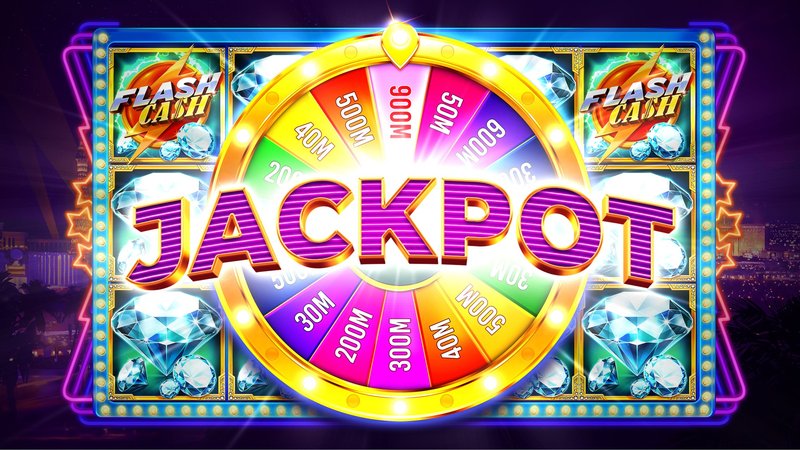
As mobile gaming ecosystems mature, many platforms now offer licensed casino-style games alongside traditional titles. Players who spend hours on puzzle or strategy games often find themselves exploring these new sections, drawn by familiar interfaces and reward systems. This convergence has led to a measurable uptick in mobile gambling activity; in 2026, the UK saw a 12% rise in mobile casino downloads, with a notable portion of users citing gaming apps as their entry point. For those curious about how this shift extends into the world of online betting, Gamblezen offers a glimpse into the evolving landscape.
Conclusion: A Multi‑Layered Entertainment Ecosystem
Mobile gaming in 2026 is no longer a niche hobby. It is a social catalyst, a revenue engine, a streaming platform, and a gateway to other forms of digital entertainment. The UK’s entertainment market has adapted to this reality, with brands investing in cross‑platform experiences and users embracing the convenience of playing anywhere, anytime. As the line between gaming and other leisure activities blurs, the future will likely bring even more integrated, immersive, and personalized entertainment options.
